Here at Windows and Doors UK, we are expert wood window manufacturers and suppliers. We know how to best maintain wooden windows!
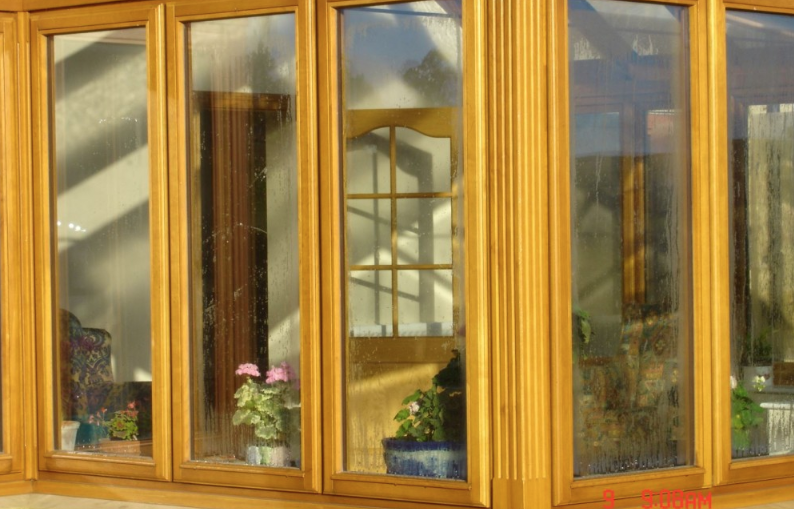
Wooden Windows Care
Have you recently invested in wooden windows? Or would you like to maintain windows that you already have installed?
When you invest in wood windows for your home or commercial property, you want to keep them maintained as well as possible. After all, wooden windows are expensive and often represent a significant investment in your property’s aesthetic and performance.
Hardwood windows that are well cared for can also add significant value to your property.
Here at Windows and Doors UK, we are expert wood window manufacturers and suppliers. We know how to best maintain wooden windows. This comprehensive guide will help you understand what care for wooden windows really means and how to protect your investment for years to come.
Proper wooden window maintenance is one of the most important steps you can take to protect your investment. When cared for correctly, high-quality wooden windows can last for many years and remain a standout feature of your property.
However, wood is a natural material that requires regular attention to help prevent deterioration. Wooden frames face constant threats from weathering, moisture penetration and natural timber movement. Without proper care, water can penetrate joints and seals, leading to rot – wood’s greatest enemy. UV exposure and moisture fluctuations can also cause paint or varnish to peel and crack, reducing the protective barrier that keeps moisture out.
Hardwood windows maintenance is fairly straightforward. By following a simple routine and understanding what to watch for, you can help ensure your wooden windows remain beautiful and functional for generations. Regular maintenance also helps avoid expensive repairs – prevention is far more cost-effective than addressing rotted frames or damaged sashes.
The most efficient way to ensure a thorough inspection of your wooden windows is by establishing a seasonal maintenance routine. Make sure you do a good check on your windows at least once a year.
Windows and Doors UK recommend you inspect your windows before winter to prepare for harsher weather conditions. August/September time is ideal.
Spring: After winter’s harsh weather, conduct a comprehensive inspection of frames and sashes. Look for damage from freeze–thaw cycles, moisture infiltration or wind exposure. Check that weather seals remain intact and clean away any winter debris.
Summer: Between May and September is ideal for deeper maintenance work. Inspect for peeling paint or varnish, address minor repairs and consider redecorating. The dry conditions make this the perfect season for applying protective coatings.
Autumn: Prepare your wooden windows for the colder months ahead. Ensure all sealant around frames is intact and not cracked. Clean gutters and drainage channels to help prevent water pooling near window frames. Lubricate any stiff hinges and other moving parts.
Winter: Focus on monitoring rather than major maintenance. Regularly inspect frames for signs of water ingress or condensation that could indicate ventilation problems. Ensure indoor heating and ventilation are properly managed to avoid excessive moisture build-up around your windows.
Regular cleaning is the foundation of good wooden window care. Cleaning removes dirt, grime and environmental pollutants that can slowly damage the protective coating over time.
We recommend cleaning the exterior frames and sashes at least twice a year. In high pollution or coastal areas, you may wish to increase this to three or four times a year. Interior frames should be cleaned annually at minimum.
Choose a mild, dry day for cleaning – avoid extremely sunny or windy conditions that cause water to dry too quickly and leave streaks. Start by dusting frames gently with a soft cloth or brush to remove loose dirt and debris.
Mix a mild solution using warm water and a gentle household detergent. Wipe down all accessible surfaces with a non-abrasive cloth or soft sponge, paying particular attention to corners and crevices where dirt and insects can accumulate.
Rinse thoroughly with clean water, ensuring no soap residue remains. Allow frames to dry completely before closing the windows. Pay special attention to any drainage channels or weep holes – remove dust or grime that could block them, as effective drainage is essential for helping to prevent water penetration.
Never use harsh chemical cleaners, abrasive pads or wire brushes on wooden frames. These can damage the protective finish and expose the timber beneath. Avoid high-pressure water jets, which can force water into joints and behind seals, potentially leading to rot.
Protection is the key to extending wooden window lifespan. While wood looks amazing, it can be threatened by insects and weathering. Wood preservatives, varnishes, stains and modern specialist paints all help create effective protective barriers.
In terms of how to protect wooden window frames, you are best to treat them as required. Treating wood window frames with suitable preservatives helps guard against moisture penetration and insect damage. Chromated Copper Arsenate (CCA) has traditionally been used as a way of protecting wooden window frames and can provide strong, long-lasting protection.
Please speak to us at Windows and Doors UK if we can help you select a suitable wooden window preservative.
A varnish is an effective protective coating for wooden windows. Applied as a clear or tinted finish, varnish helps to keep weathering elements away from the wood and provides a transparent sheen that enhances its natural appearance.
Re-varnishing is important after the original varnish has begun to wear down. You don’t need to spend huge amounts of money on a varnish, but you do need to make sure you sand the frames down before varnishing to create a smooth surface for adhesion and remove any loose or flaking finish.
A wood stain is generally less robust than varnish for preventing long-term rot and weathering, but it does help lengthen the life of wood window frames. A stain is absorbed into the wood and tends to follow the natural colour of the timber you’re painting, while varnish usually forms a clear and transparent sheen.
Modern micro-porous paints can also be used on wooden windows. Unlike older oil-based paints that are more prone to cracking and peeling, micro-porous formulations allow the timber to breathe while still resisting water penetration. This helps extend redecorating intervals and reduces maintenance demands.
For the best wood stain for windows, varnish or other protective treatment options for your specific windows, why not see if we can help at Windows and Doors UK?
Wooden window hardware – hinges, locks, handles and other ironmongery – also requires regular attention to help ensure smooth operation and to reduce the risk of rust or corrosion.
You may find that simple things, such as cleaning the windows, oiling any stiff hinges and checking around the frames, are sufficient. Check hinges, handles and locking mechanisms at least once a year. In coastal locations or high humidity areas, more frequent checks – for example every six months – are worthwhile.
Lubricate all moving parts with light oil or a suitable silicone-based lubricant. Avoid heavy machine oils that can attract dust and grime. Apply lubricant sparingly to hinges, locks and strike plates, then wipe away any excess with a clean cloth.
For locking mechanisms and strikers, wipe them down with a soft cloth and apply a small amount of lubricant to the moving parts and keeps. If you spot anything more concerning, you may need to ask a professional to take a look.
The seals around your wooden windows play a crucial role in insulation and weatherproofing. These components help prevent unwanted air infiltration, water penetration and unnecessary heat loss. Regular inspection and maintenance of seals should be part of your wooden window care routine.
Examine weather seals regularly for signs of wear, cracking or deterioration. Weather stripping becomes less effective when compressed or damaged, allowing draughts and water ingress. Replace weather seals if damage is visible or if you notice draughts around the frame.
Caulking around window frames also stops water from penetrating behind the frame into the surrounding wall structure. Inspect caulk annually for cracks or gaps. When caulk becomes cracked or pulls away from the frame, remove the old material carefully and apply new, high-quality sealant suitable for wooden frames.
Condensation on interior windows often indicates a ventilation or humidity issue rather than a fault with the window itself. Ensure good indoor ventilation, especially in kitchens and bathrooms where moisture levels are higher. Open windows briefly during the day to allow air circulation and make use of extraction fans where available.
Excessive indoor moisture can penetrate wooden frames from the inside, causing damage just as surely as external water ingress. Managing interior humidity through ventilation is therefore essential to long-term wooden window preservation.
Peeling Paint or Varnish: Peeling usually occurs when a protective coating has broken down after years of exposure. Lightly sand the affected area, apply a suitable primer if required and repaint with an appropriate exterior paint or varnish.
Cracks and Splits: Minor surface cracks in the coating are typically cosmetic and can be sanded and repainted. Cracks that go through to the wood should be filled with an exterior-grade wood filler before sanding and recoating.
Signs of Rot: Soft areas, dark discolouration or wood that crumbles when gently probed can all indicate rot. This usually requires professional assessment and repair. Early intervention is important, as rot can spread once moisture has penetrated the timber.
Stiff or Stuck Windows: If windows become difficult to open or close, first try lubricating the hinges and moving parts. If this doesn’t resolve the problem, paint layers or slight movement in the frame may mean that light sanding and adjustment are needed to restore smooth operation.
The difference between wooden windows that deteriorate quickly and those that last for many years often comes down to consistent maintenance. Each cleaning helps remove damaging pollutants, each inspection can catch small problems before they become expensive repairs, and each protective coating application can add years to the life of your windows.
By dedicating a small amount of time each year to proper wooden window care, you protect your investment and help maintain both the aesthetic appeal and performance of your windows. With the right maintenance, wooden windows can be repaired and refreshed over time, allowing them to be enjoyed for generations.
Establish your maintenance routine, nominate your annual inspection month and commit to the simple steps outlined in this guide. Your windows will reward this attention with lasting beauty and reliable performance.
Need expert wooden window care advice?
As expert wood window manufacturers and suppliers, the team at Windows and Doors UK can help you select suitable wooden window treatments, recommend appropriate maintenance schedules for your specific windows and climate, and advise on any concerns you may have. Please contact us if we can help you maintain or care for your wooden windows.