Owning a period home is a privilege that comes with a unique set of responsibilities. Whether it is a Georgian townhouse, a Victorian terrace, or a quaint Tudor cottage, the windows often define the facade, dictate the architectural rhythm, and provide the essential character that makes heritage properties so desirable. However, many owners of older homes face a recurring dilemma: how do you deal with draughty, rattling, or decaying frames without stripping away the soul of the building?
The challenge is significant. Traditional single-glazed wooden windows are notorious for high rates of heat loss, yet replacing them with modern alternatives often risks falling foul of strict planning regulations. At Windows & Doors UK, we believe you shouldn’t have to choose between a warm home and a beautiful one. By combining the skills of traditional craftsmen with the precision of state-of-the-art CNC machinery, we manufacture bespoke timber windows for period properties that offer modern performance while respecting the building’s history.
Living in a period property often means battling the elements. According to data from the Energy Saving Trust, roughly 18% of heat loss in a typical uninsulated home occurs through the windows. For a listed building with original single glazing, this figure can be much higher.
The primary hurdle for homeowners is achieving a balance. You need to reduce energy bills and eliminate cold spots, but you must also preserve the architectural integrity of the structure. Many homeowners find that mass-produced uPVC options simply lack the refined sightlines, and the tactile luxury of authentic traditional timber. Oak and other high-quality hardwoods provide a stylish, premium finish that synthetic materials cannot replicate, ensuring your home improvements stand the test of time.
Choosing modern timber windows from Windows & Doors UK means selecting timeless designed wooden windows. Crafted exclusively from premium hardwood and timber in our dedicated UK based joinery by master craftsmen you can experience the best of both worlds with our modern windows, a blend of traditional style and 21st-century technology. Designed with high-performance double glazing to lower your energy bills, these windows offer a beautiful, classic look without the heat loss associated with older frames. Our professional installation team ensures a perfect fit, making your home as warm as it is inviting.
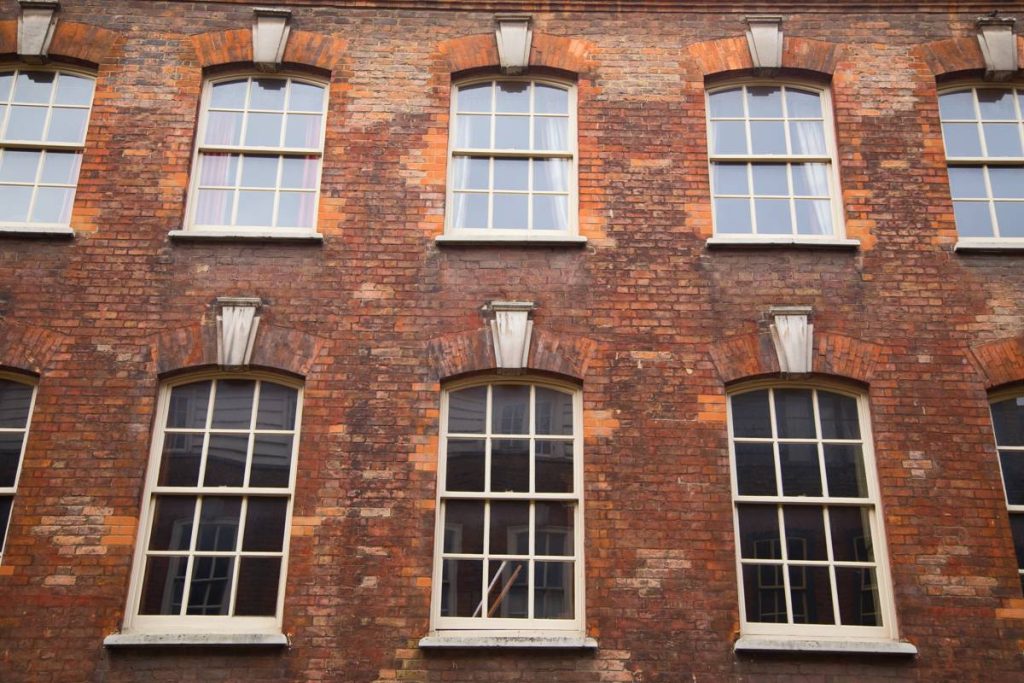
If your home is Grade I or Grade II listed, or situated within a conservation area, the rules for new windows are stringent. Local Planning Authorities (LPAs) generally start from a position of “repair rather than replace.” However, when original joinery is beyond functional repair (rotted through or structurally compromised) replacement is often permitted, provided the new units are faithful “like-for-like” copies.
For a listed building, this means the dimensions of the rails, the thickness of the glazing bars, and even the type of glass used must match the original specifications. Historic England provides detailed guidance on how to approach these changes, emphasising that any intervention should minimise the impact on the building’s heritage significance.
At Windows & Doors UK, we work closely with homeowners and architects to navigate these constraints. Because we manufacture everything in our own joinery, we can customise every millimetre of the frame to satisfy even the most discerning conservation officer.
Choosing the correct style is the most vital step in maintaining historical integrity. Different eras utilised distinct opening mechanisms and aesthetic details.
One of the biggest misconceptions is that timber windows for period properties cannot be energy efficient. In recent years, advances in timber treatment and glazing technology have transformed what is possible.
The thermal performance of a window is measured by its U-value; the lower the number, the better the insulation. While old single glazing might have a U-value of around 5.0 W/m²K, our high-performance timber windows can achieve values as low as 1.2 W/m²K or better. We achieve this through:
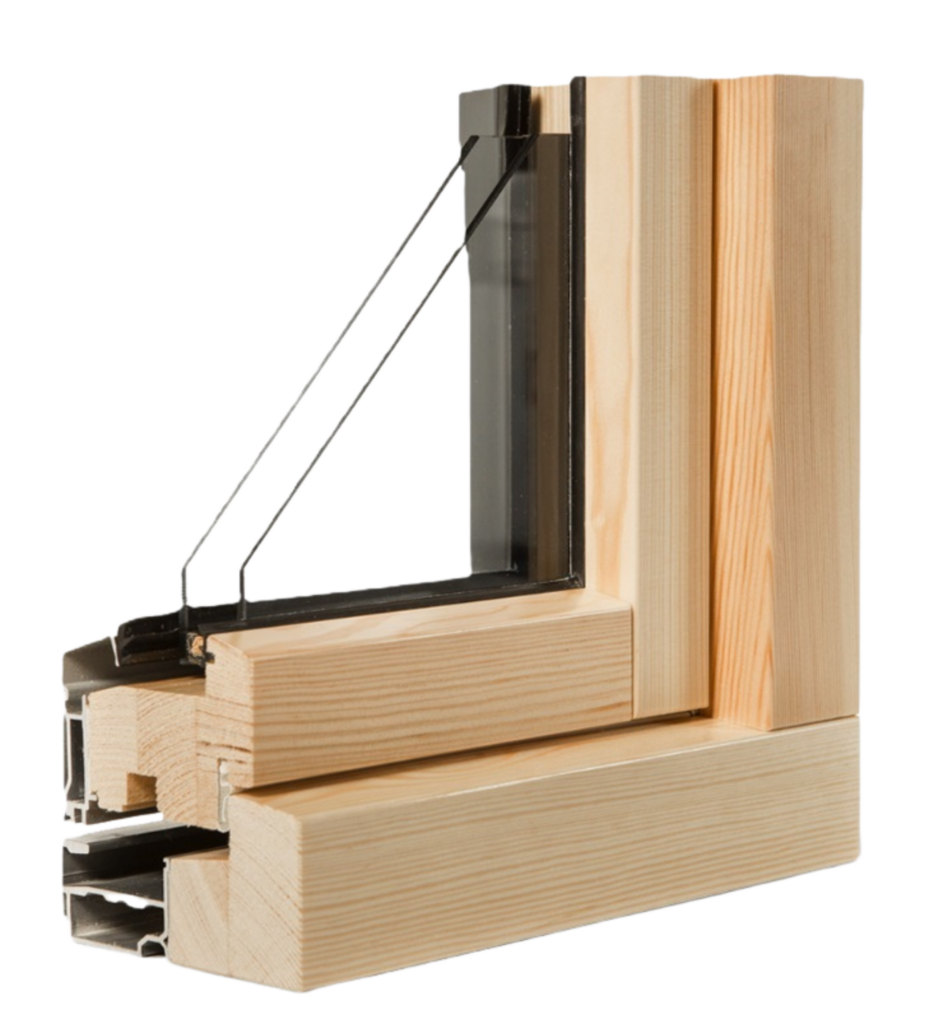
double glazed windows
To solve this, we offer several specialised options:
Successfully upgrading a conservation area property requires an informed approach. We recommend the following steps:
Upgrading the timber windows in your home is an investment in both the comfort of your family and the long-term value of your property. By choosing bespoke hardwood over mass-produced alternatives, you ensure that your home remains a testament to quality craftsmanship.
At Windows & Doors UK, we combine the best of both worlds: the soul of traditional timber and the reliability of modern engineering. Our team is here to guide you through the design, planning, and installation phases to ensure your project is completed to the highest standard.