Hardwood vs softwood windows. Which is best? Both materials offer distinct advantages, and understanding the differences between them is crucial to making an informed choice that suits your property, budget, and lifestyle.
Over the past decade, we’ve worked with thousands of UK homeowners, crafting bespoke timber window solutions that transform their living spaces. Our expertise in sourcing, manufacturing, and installing both hardwood and softwood windows means we’ve seen firsthand how each material performs across different properties and climates.
In this blog, we’ll walk you through everything you need to know about hardwood versus softwood timber windows.
Before we look at a detailed comparison, it’s worth understanding what we mean by hardwood and softwood windows.
Hardwood windows are manufactured from timber sourced from deciduous trees, species like oak, ash, mahogany, and walnut. Despite the name, “hardwood” refers to the tree type rather than the timber’s actual hardness, though these woods are typically dense and robust.
At Windows & Doors UK, we source our hardwood from sustainable forestry operations across Europe and beyond, ensuring every window frame tells a story of responsible timber management.
Softwood windows come from coniferous trees such as pine, fir, spruce, and larch. These timbers are lighter and more workable, making them popular for traditional window designs and contemporary aesthetics alike.
Our softwood windows utilise premium-grade timber, often engineered and treated to enhance performance and longevity far beyond what untreated softwood could offer.
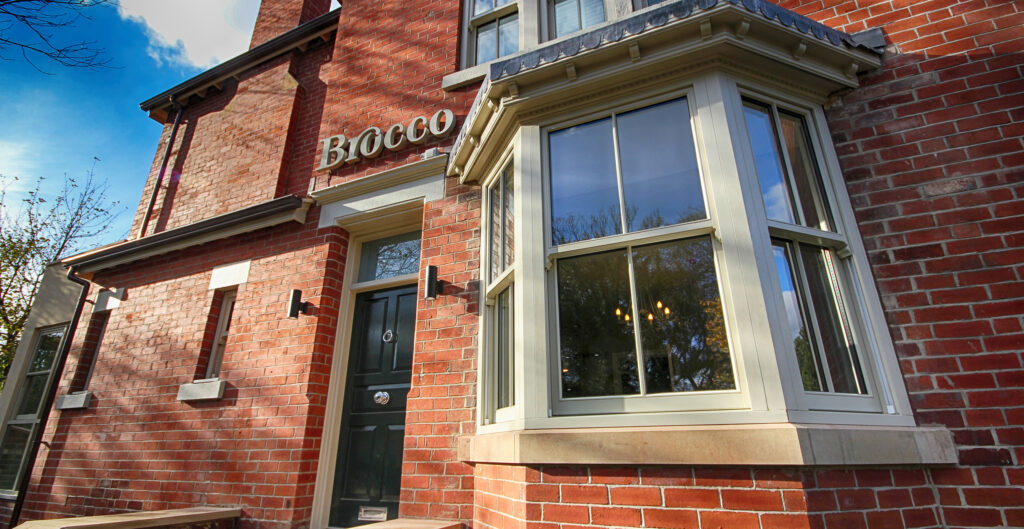
Durability is perhaps the most significant factor when comparing hardwood and softwood windows. Let’s examine how each performs over time.
Hardwood windows are renowned for exceptional durability. Species like oak and ash naturally contain compounds that resist rot, insect damage, and decay. This inherent resistance means hardwood windows can last 60 years or more with proper maintenance and we’ve seen examples that have lasted over a century.
The density of hardwood timber provides structural stability that resists warping, shrinking, and twisting, even in fluctuating British weather conditions.
Softwood is inherently less dense than hardwood, making it more susceptible to moisture penetration, rot, and insect attack if left untreated. However, modern softwood windows are far superior to their counterparts from decades past.
At Windows & Doors UK, our softwood windows undergo advanced treatment processes including high-pressure vacuum treatment and protective coatings. These manufacturing techniques significantly enhance durability, typically extending the lifespan to 40–50 years.
Modern window performance is largely determined by the glazing unit rather than the frame timber itself. However, timber frame properties do influence overall thermal behaviour.
Hardwood timber has a slightly higher thermal mass than softwood, meaning it absorbs and releases heat more gradually. This can provide marginal benefits in terms of temperature stability, though the difference is minimal when combined with modern double or triple glazing.
The density of hardwood means it can support thicker frame sections without excessive weight, allowing for superior glazing unit installation and better airtightness.
Softwood’s lower density doesn’t compromise thermal performance when properly manufactured and finished. In fact, softwood’s workability allows for more precise frame tolerances, which can actually improve glazing seal performance.
Modern softwood windows, when fitted with contemporary double or triple glazing units, deliver excellent thermal efficiency comparable to hardwood alternatives.
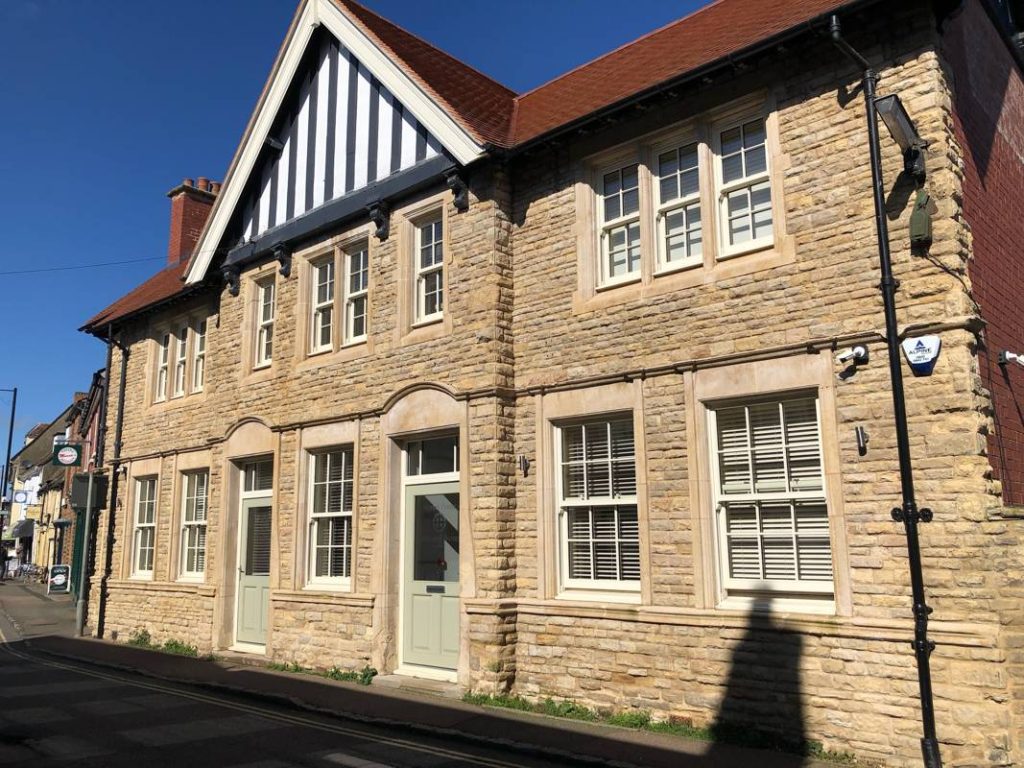
The visual appeal of your windows is deeply personal, and hardwood and softwood each offer distinct aesthetic qualities.
Hardwood windows showcase the natural beauty of premium timber. Species like oak reveal stunning grain patterns with rich, warm tones that deepen beautifully with age. Walnut offers sophisticated dark hues, while ash provides lighter, more contemporary aesthetics.
Aesthetic advantages of hardwood windows:
Many period properties, listed buildings, and heritage homes benefit from hardwood windows because they capture the authentic aesthetic that conservation authorities expect.
Softwood windows offer remarkable versatility in appearance. Pine presents a clean, traditional look with subtle grain, while engineered softwood can be stained to mimic hardwood species or left natural for a Scandinavian aesthetic.
Aesthetic advantages of softwood windows:
Softwood’s workability also allows us to create bespoke profiles and decorative details that might be challenging or cost-prohibitive in hardwood.
Neither option is objectively superior aesthetically. An oak hardwood window and a painted softwood window can both be absolutely stunning, it depends on your property’s character and your personal taste.
Environmental responsibility matters to modern homeowners, and it’s something we take seriously at Windows & Doors UK.
Hardwood windows raise important sustainability questions because hardwood trees take significantly longer to mature. This slower growth cycle means sustainable hardwood sourcing requires genuinely responsible forestry practices.
Our hardwood sourcing approach:
When properly sourced, hardwood windows represent an excellent long-term sustainable choice. Their exceptional lifespan means less frequent replacement and fewer embodied carbon emissions over time.
Softwood comes from fast-growing coniferous forests that can be sustainably managed on shorter rotation cycles. This faster growth rate makes softwood inherently more sustainable from a resource perspective.
Softwood sustainability advantages:
Softwood’s shorter lifecycle also means more frequent replacement opportunities, allowing homeowners to upgrade to increasingly efficient window technologies.
As you can see, both hardwood and softwood windows have many excellent characteristics. What’s best for you will depend on your preferences and expectations. If you’d like to find out more about working with Windows & Doors UK on your next home improvement project call 0333 335 5416 or contact us online.